
Relationship Blogs
Welcome to our relationships blog, where love, connection,
and understanding take centre stage. Dive into a treasure trove of insights,
expert advice, and heart warming stories on navigating the complex world of
relationships. Whether you're looking for tips on communication, fostering
intimacy, or maintaining a healthy partnership, our blog is your guide to
building meaningful connections. Join us in exploring the highs and lows of
love, and discover the tools to cultivate lasting, fulfilling relationships.
Your journey to stronger, more enriching connections begins here.

How to Have Difficult Conversations Without Creating Distance
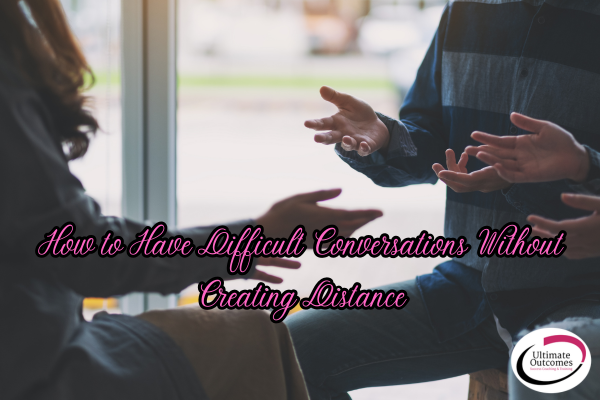
Conflict is a natural part of any relationship. Disagreements happen, differences emerge, and sometimes emotions run high. Yet, it’s not the presence of conflict that damages relationships — it’s how we navigate difficult conversations.
When approached thoughtfully, challenging discussions can actually strengthen trust, deepen connection, and foster mutual understanding. The key is to communicate without creating distance or defensiveness.
Here’s how to have difficult conversations that build your relationship instead of straining it.
1. Prepare Yourself Emotionally
Before initiating a difficult conversation, check in with your own feelings. Ask yourself:
What am I hoping to achieve?
Am I calm enough to communicate clearly?
Can I focus on understanding, rather than “winning” the conversation?
Taking a moment to regulate your emotions — through deep breathing, grounding exercises, or reflection — allows you to approach the conversation from a place of clarity and intention, rather than reactivity.
2. Choose the Right Time and Place
Timing matters. Bringing up sensitive topics when your partner is rushed, stressed, or distracted can escalate tension.
Find a quiet, neutral space free of interruptions.
Choose a time when both of you are relatively calm and open to discussion.
Avoid starting difficult conversations during arguments, late at night, or when either party is overly tired.
A considered setting sets the stage for productive dialogue instead of defensiveness.
3. Speak From Your Experience Using “I” Statements
Difficult conversations become safer when you speak about your experience rather than your partner’s shortcomings.
Instead of: “You never listen to me!”
Try: “I feel unheard when I try to share my thoughts and it feels interrupted.”
“I” statements express your needs and feelings clearly, without triggering blame or shame. They encourage your partner to listen and engage rather than defend.
4. Listen With Curiosity
Even during disagreements, prioritise understanding your partner’s perspective.
Ask clarifying questions: “Can you tell me more about how that felt for you?”
Reflect back what you hear: “It sounds like you felt frustrated when that happened.”
Avoid interrupting or countering immediately.
When people feel understood, defensiveness decreases and emotional distance is avoided.
5. Focus on Solutions, Not Fault
Difficult conversations can easily slip into blame games or rehashing past grievances. Instead:
Concentrate on what can be done moving forward.
Collaborate on practical solutions or compromises.
Agree to specific actions or behaviours that address the issue.
A solutions-focused approach communicates that your goal is connection and resolution, not criticism.
6. Acknowledge Effort and Appreciate Progress
Even small steps towards understanding or compromise deserve recognition.
Acknowledge when your partner listens or responds empathetically.
Celebrate the fact that you can discuss challenging topics without conflict escalating.
Reinforce behaviours that create closeness, trust, and respect.
Positive reinforcement strengthens communication habits and encourages continued collaboration.
An Invitation For You
If you find difficult conversations trigger anxiety, frustration, or distance in your relationship, you’re not alone. Relationship coaching can help you explore patterns, develop communication tools, and practise strategies that keep connection intact, even during challenging discussions.
Booking a Discovery Session is a supportive, confidential way to explore your relationship dynamics. Together, we can identify what’s working, what’s holding you back, and how to communicate in ways that foster trust, understanding, and closeness.
Book Your Complimentary Discovery Session here
Difficult conversations don’t have to push you apart. With the right approach, they can bring you closer together.