
Relationship Blogs
Welcome to our relationships blog, where love, connection,
and understanding take centre stage. Dive into a treasure trove of insights,
expert advice, and heart warming stories on navigating the complex world of
relationships. Whether you're looking for tips on communication, fostering
intimacy, or maintaining a healthy partnership, our blog is your guide to
building meaningful connections. Join us in exploring the highs and lows of
love, and discover the tools to cultivate lasting, fulfilling relationships.
Your journey to stronger, more enriching connections begins here.
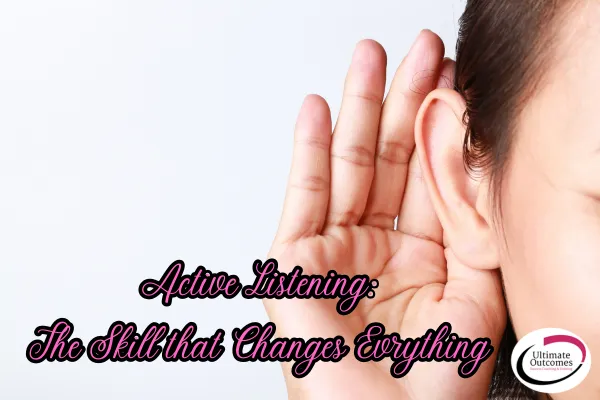
Active Listening: The Skill That Changes Everything
Communication is the foundation of any healthy relationship, but too often we focus on speaking rather than listening. In fact, one of the most powerful tools for building trust, closeness, and understanding is active listening — a skill that can truly transform your relationships.
Active listening isn’t just hearing words. It’s fully engaging with your partner’s message, understanding the emotions behind it, and responding in a way that validates and supports them.
Here’s why active listening matters and how you can practise it effectively.
Why Active Listening Matters
When partners don’t feel heard, frustration, misunderstandings, and distance can creep in. On the other hand, active listening:
Builds trust: Your partner feels valued and understood.
Strengthens connection: Emotional closeness grows when people feel heard.
Reduces conflict: Misunderstandings decrease when messages are clarified.
Encourages honesty: People are more likely to share openly when they feel safe.
In short, active listening changes everything because it shifts the focus from “winning” a conversation to building understanding and connection.
1. Give Your Full Attention
The first step is simple but often overlooked: be fully present.
Put away phones, turn off the TV, or step away from distractions.
Maintain eye contact and use open body language.
Avoid preparing your response while your partner is speaking — focus on listening instead.
Being fully present signals respect and makes your partner feel genuinely valued.
2. Listen to Understand, Not to Reply
It’s easy to listen with a mind full of counterarguments, solutions, or explanations. But true active listening focuses on understanding your partner’s perspective first.
Reflect back what you hear: “It sounds like you felt frustrated when that happened. Is that right?”
Ask clarifying questions: “Can you tell me more about how that made you feel?”
Avoid interrupting or correcting — your goal is comprehension, not immediate problem-solving.
3. Validate Their Feelings
Validation doesn’t mean you have to agree. It simply shows you acknowledge their experience.
Say things like: “I can see why that upset you” or “It makes sense you feel that way.”
Avoid phrases that minimise feelings, such as “It’s not a big deal” or “You’re overreacting.”
Validation fosters emotional safety, which is essential for trust and intimacy.
4. Respond Thoughtfully
Once you’ve listened and understood, respond in a way that reflects empathy and collaboration.
Use “I” statements to share your perspective: “I feel concerned when…”
Offer support or solutions only if they’re welcome: “Would it help if I…”
Stay calm and respectful, even if you disagree.
This approach keeps the conversation constructive rather than turning it into a conflict.
5. Practice Regularly
Active listening is a skill, and like any skill, it improves with practice.
Start with small conversations: ask about your partner’s day and reflect what you hear.
Set aside dedicated time each week for meaningful conversations.
Notice how your relationship feels as you implement these techniques — closeness and trust naturally grow.
Over time, active listening becomes second nature, transforming not only your relationship but also your ability to communicate in all areas of life.
An Invitation For You
If you find that misunderstandings, distance, or conflict still arise despite your efforts, relationship coaching can help. Through coaching, you can explore patterns that impact communication, strengthen listening skills, and build strategies for deeper, more fulfilling connection.
Booking a Discovery Session is a relaxed, confidential way to explore how coaching could support your relationship. Together, we can develop practical tools to make active listening — and true understanding — a natural part of your daily interactions.
Book Your Complimentary Discovery Session here
When both partners feel truly heard, relationships thrive — and active listening is the skill that makes it possible.