Self-Improvement Blogs
Embark on a transformative journey with our self-improvement
blog. Elevate your life with practical tips, insightful articles, and expert
advice on personal growth, mindfulness, and success. Discover the power within
you to cultivate positive habits, overcome challenges, and live a more
fulfilling life. Your journey to becoming the best version of yourself starts
here!
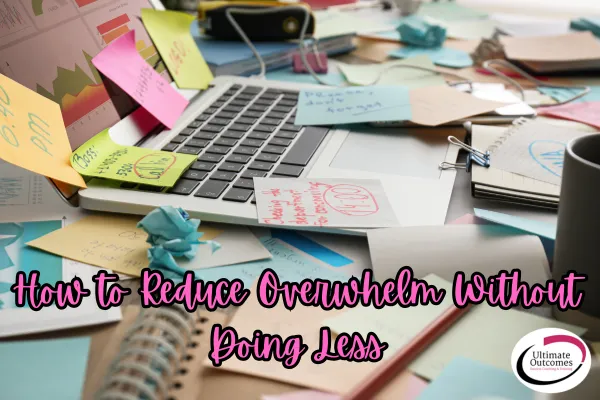
How to Reduce Overwhelm Without Doing Less
When you feel overwhelmed, the obvious solution seems simple:
Do less.
But for many people, that’s not realistic.
You still have responsibilities.
People rely on you.
Life doesn’t just pause.
So if doing less isn’t always an option, what is?
The answer lies not in reducing everything — but in changing how you relate to what you’re carrying.
What Overwhelm Really Is
Overwhelm isn’t just about how much you have to do.
It’s about:
How you’re thinking about it
How much pressure you’re placing on yourself
How little space you have to process it
Two people can have the same workload — and experience it completely differently.
Overwhelm is not just external.
It’s internal.
Why Doing Less Isn’t Always the Solution
While reducing commitments can help, overwhelm often persists because:
You’re mentally holding everything at once
You feel responsible for everything
You’re trying to do everything perfectly
You don’t have clear priorities
So even if you remove tasks, the feeling of overwhelm remains.
How to Reduce Overwhelm Without Changing Your Load
1. Get Everything Out of Your Head
One of the biggest contributors to overwhelm is mental clutter.
Write everything down:
Tasks
Worries
Responsibilities
Ideas
Seeing it clearly reduces the feeling of chaos.
2. Shift From “Everything Matters” to “What Matters Most”
Not everything carries equal importance.
Ask yourself:
What actually needs my attention today?
What can wait?
What is truly mine to carry?
Clarity reduces pressure.
3. Let Go of Perfection
Perfectionism turns manageable tasks into overwhelming ones.
Instead of:
“I need to do this perfectly.”
Try:
“I will do this well enough for now.”
Progress creates momentum.
Perfection creates paralysis.
4. Create Emotional Space
Overwhelm builds when there’s no room to process.
Even 10–15 minutes of:
Quiet
Reflection
Stepping away from stimulation
Can reset your nervous system.
5. Reduce Internal Pressure
Sometimes the heaviest weight isn’t the workload — it’s the expectations.
Notice when you’re telling yourself:
“I should be doing more.”
“I can’t fall behind.”
“I have to keep up.”
Challenge those thoughts gently.
6. Focus on One Thing at a Time
Multitasking fragments your attention and increases stress.
Single-tasking:
Improves focus
Reduces mistakes
Creates a sense of progress
And progress reduces overwhelm.
The Real Shift: From Pressure to Presence
Overwhelm thrives in urgency, pressure, and mental clutter.
It softens when you:
Slow your thinking
Clarify your priorities
Reduce internal expectations
Stay present with one task at a time
You don’t always need to change your life.
Sometimes, you need to change how you move through it.
Final Thought
You don’t have to earn rest by doing everything.
You don’t have to carry everything at once.
And you don’t have to wait until life is quiet to feel calm.
Reducing overwhelm is less about removing responsibility —
and more about creating space within it.
Ready to Feel More in Control — Without Dropping Everything?
If overwhelm has become your default state, even when you’re doing your best to keep up, you don’t have to manage it alone.
A discovery session with Robyn Ratcliff can help you:
Unpack what’s truly driving your overwhelm
Identify where pressure and expectations are building
Create practical ways to feel calmer and more in control
Explore how coaching can support you moving forward
It’s a supportive, judgement-free space to pause, reflect, and reset.
👉 Book your discovery session with Robyn here
Sometimes, clarity and calm start with one conversation.