Self-Improvement Blogs
Embark on a transformative journey with our self-improvement
blog. Elevate your life with practical tips, insightful articles, and expert
advice on personal growth, mindfulness, and success. Discover the power within
you to cultivate positive habits, overcome challenges, and live a more
fulfilling life. Your journey to becoming the best version of yourself starts
here!
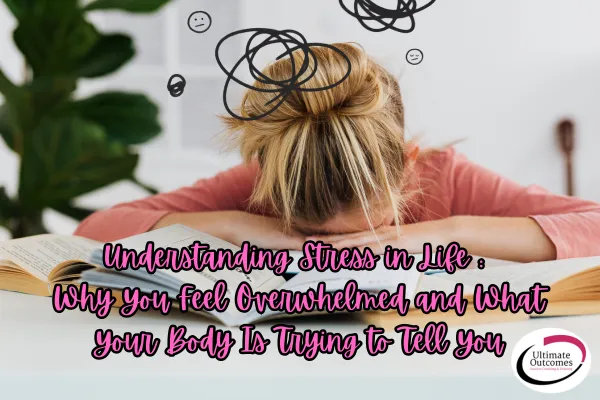
Understanding Stress in Life — Why You Feel Overwhelmed and What Your Body Is Trying to Tell You
Stress in life is something almost everyone experiences, yet few people truly understand what is happening beneath the surface when they feel overwhelmed, exhausted, or emotionally drained.
While stress is often seen as something “mental,” the reality is that stress is a full-body experience that affects your nervous system, hormones, thoughts, emotions, and even your behaviour.
Understanding stress is the first step toward changing it.
What Is Stress, Really?
Stress is your body’s natural survival response. When your brain perceives pressure, uncertainty, or emotional threat, it activates the fight-or-flight response.
This leads to the release of stress hormones such as cortisol and adrenaline, which prepare your body to respond quickly.
In short bursts, stress can be helpful. It keeps you alert, focused, and responsive.
However, the problem in modern life is that stress is no longer occasional — it is often constant.
Emails, financial pressure, family demands, emotional load, and internal expectations keep the nervous system switched “on” far longer than it was designed to handle.
Common Signs of Stress in Life
Many people live in a stressed state without realising it. You may be experiencing chronic stress if you notice:
Constant fatigue, even after rest
Difficulty sleeping or staying asleep
Feeling overwhelmed by small tasks
Irritability or emotional sensitivity
Brain fog or lack of focus
Physical tension (jaw, shoulders, stomach)
Increased cravings or emotional eating
Feeling “on edge” or unable to relax
These are not personal weaknesses — they are biological stress responses.
The Nervous System Connection
Your nervous system has two main states:
Sympathetic state (stress response): fight, flight, or freeze
Parasympathetic state (calm response): rest, digest, restore
When stress becomes chronic, the body struggles to return to calm.
This is why many people say:
“I know I should relax… but I just can’t switch off.”
It’s not mindset alone — it’s a regulated nervous system pattern that needs support and retraining.
The Hidden Causes of Ongoing Stress
Stress in life is not always caused by major events. More often, it builds slowly from:
Overcommitment and lack of boundaries
Perfectionism and high self-expectations
Emotional suppression
Lack of rest or recovery time
Long-term uncertainty or pressure
Negative thinking patterns
Over time, the body adapts to this state — and stress becomes the “new normal.”
Why Awareness Is the First Step to Change
You cannot shift what you are not aware of.
When you begin to understand your stress patterns, you gain the power to interrupt them. This is where real transformation begins — not through pushing harder, but through working with your body and mind instead of against them.
Small changes in awareness can create powerful shifts in emotional regulation, energy, and resilience.
Final Thoughts
Stress in life is not something you are meant to simply “push through.” It is a signal — a message from your body asking for change, support, and recalibration.
When you learn how to listen to that message, everything begins to shift.
If you are feeling overwhelmed by stress and would like support in creating lasting change, you are warmly invited to book a complimentary discovery session with award-winning coach Robyn Ratcliff.
Here you can explore how, through the Life Makeover Coaching Program, you will explore practical and supportive strategies to regulate stress, rebuild balance, and create a more grounded, fulfilling life.