Weight Management Blogs
Embark on a wellness journey with our weight management
blog, your go-to resource for sustainable health and weight loss. Explore
evidence-based tips, and motivational stories to support your path to a
healthier lifestyle. Whether you're seeking weight loss strategies, or mindful
eating advice, our blog is your companion in achieving and maintaining your
goals. Join our community and discover a balanced, empowering approach to
weight management that prioritises your well-being. Start your transformative
journey to a healthier, happier you today.
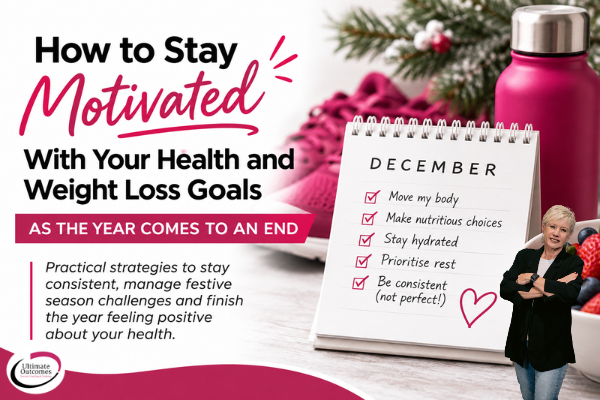
How to Stay Motivated With Your Health and Weight Loss Goals This Festive Season
Practical strategies to stay consistent, manage festive season challenges and finish the year feeling positive about your health.
As the end of the year approaches, maintaining motivation for your health and weight loss goals can become increasingly challenging.
Between Christmas celebrations, social gatherings, work commitments, family responsibilities and the general busyness of the festive season, healthy habits can easily slip down your priority list.
You might find yourself exercising less, reaching for convenient foods more often or feeling frustrated that you haven't achieved everything you hoped to accomplish this year.
And with the new year just around the corner, it's tempting to tell yourself, "I'll get back on track in January."
But here's something important to remember: You don't need to wait for a new year to continue making progress with your health.
Staying motivated at this time of year isn't about following a perfect diet, exercising every day or missing out on celebrations. It's about developing realistic habits, maintaining perspective and recognising that looking after your health can fit into your life, even when things get busy.
Let's explore why motivation often declines towards the end of the year and some practical strategies to help you stay consistent without feeling overwhelmed.
Why Does Motivation Often Drop Towards the End of the Year?
If you've noticed your enthusiasm for healthy eating, exercise or weight management fading, there are several reasons this might be happening.
1. End-of-Year Fatigue
After months of balancing work, family, personal responsibilities and everyday challenges, it's natural to feel mentally and physically tired.
When you're fatigued, activities that require planning and effort, such as preparing nutritious meals or fitting in exercise, can feel more difficult.
Sleep deprivation and ongoing stress can also influence appetite, food choices and energy levels, making it harder to maintain your usual routines.
2. Changes to Your Normal Routine
The festive season often brings changes to work schedules, school routines, social commitments and meal patterns.
While routines provide structure and make healthy behaviours easier to repeat, disruptions can increase the amount of effort required to maintain those habits.
3. The All-or-Nothing Mindset
One of the biggest barriers to consistency is believing that healthy habits only count when you're following them perfectly.
For example, you might think:
"I've already eaten too much today, so I may as well start again tomorrow."
"There's no point exercising if I can't do my full workout."
"I'll enjoy Christmas and worry about my weight in January."
This type of thinking can turn a temporary change in routine into several weeks of disengagement from your health goals.
The good news? Progress doesn't require perfection. It requires a willingness to keep returning to the habits that support your wellbeing.
7 Practical Ways to Stay Motivated and Healthy Towards the End of the Year
1. Revisit Your Goals and Adjust Your Expectations
The goals you set earlier in the year may not be realistic during the busiest months.
Rather than abandoning them completely, consider adjusting your expectations to suit your current circumstances.
For example, instead of focusing on losing a certain amount of weight before Christmas, your goal might be to:
Maintain your current weight throughout the festive season.
Include vegetables in your main meals.
Walk for 20 minutes most days.
Continue attending two exercise sessions each week.
Maintain regular sleep and hydration habits.
Remember, weight maintenance can be a meaningful achievement, particularly during periods when routines are disrupted.
A useful question to ask yourself is:
"What would looking after my health realistically look like for me over the next six weeks?"
Your answer can help you establish achievable goals that support your wellbeing rather than add unnecessary pressure.
2. Focus on Consistency Rather Than Perfection
One of the most effective ways to maintain healthy habits is to make them manageable enough to repeat.
You don't need to eat perfectly at every meal or complete an intense workout every day to support your health.
Instead, focus on small actions you can maintain consistently.
For example:
Choose a balanced breakfast that includes protein and fibre.
Keep a water bottle nearby throughout the day.
Take a short walk during your lunch break.
Include fruit or vegetables with meals and snacks.
Prioritise sleep when your schedule allows.
Behaviour change research suggests that repeating manageable behaviours in consistent situations can help them become more automatic over time.
This means the small things you do regularly can be more sustainable than ambitious changes you struggle to maintain.
Coaching tip: Identify three healthy habits you can realistically continue throughout the festive season. Make these your non-negotiable foundations, while allowing flexibility around everything else.
3. Plan Ahead for Social Events Without Restricting Yourself
Christmas parties, family gatherings and celebrations often involve foods and drinks that differ from your usual routine.
But enjoying these occasions doesn't mean you've failed at healthy eating.
In fact, overly restrictive approaches can create feelings of deprivation and make it harder to develop a balanced relationship with food.
Instead of trying to avoid every indulgence, practise making intentional choices.
Some helpful strategies include:
Eat regular, balanced meals rather than skipping food to compensate for an upcoming event.
Include satisfying protein-rich foods and vegetables where practical.
Choose the festive foods you genuinely enjoy.
Eat slowly and pay attention to your hunger and fullness cues.
Alternate alcoholic drinks with water, if you choose to drink.
Return to your usual eating routine afterwards without guilt or punishment.
One meal, celebration or weekend doesn't determine your long-term health outcomes.
It's your overall pattern of habits that matters most.
Remember: You can enjoy Christmas celebrations and continue working towards better health. The two are not mutually exclusive.
4. Keep Moving, Even When You're Short on Time
Physical activity often becomes one of the first things we sacrifice when life gets busy.
However, movement can be particularly valuable during stressful periods because it supports physical health, mood, sleep and overall wellbeing.
The Australian physical activity guidelines recommend that adults aim for 150–300 minutes of moderate-intensity activity each week, or an equivalent combination of moderate and vigorous activity, along with muscle-strengthening activities on at least two days.
But if that feels unrealistic right now, don't let it discourage you.
Some activity is better than none, and shorter sessions can still contribute to your overall health.
Consider:
Taking a 10–15-minute walk after dinner.
Going for a family walk to look at Christmas lights.
Doing a short home workout.
Taking the stairs when practical.
Dancing, swimming or playing active games with the children.
Breaking exercise into smaller sessions throughout the day.
The key is to find ways to move that fit your lifestyle.
Coaching tip: Rather than asking, "Do I have time for a full workout?" ask, "What movement can I realistically fit into today?"
This simple shift can help you stay active without adding more stress to an already busy schedule.
5. Protect Your Sleep and Manage Stress
When we think about weight management, we often focus on food and exercise.
However, sleep and stress management are also important parts of maintaining good health.
Insufficient sleep can influence appetite regulation, food preferences, mood and energy levels. Chronic stress can also make it more difficult to plan meals, exercise consistently and make intentional decisions.
During the festive season, try to protect the habits that help you feel rested and emotionally balanced.
These might include:
Maintaining a reasonably consistent bedtime.
Reducing screen time before bed.
Limiting caffeine later in the day.
Setting boundaries around unnecessary commitments.
Practising deep breathing or mindfulness.
Allowing yourself time to rest without feeling guilty.
Australian adults generally need around 7–9 hours of sleep each night, although individual needs vary.
Prioritising rest isn't a sign that you're losing motivation. It's part of creating the conditions that make healthy behaviours easier to maintain.
6. Measure Progress Beyond the Number on the Scale
If weight loss has been your primary goal, it's easy to become discouraged when the scales aren't moving as quickly as you'd hoped.
But your weight is only one indicator of progress.
Body weight naturally fluctuates due to factors such as fluid balance, digestion, hormonal changes and sodium intake.
This means short-term changes on the scale don't always reflect changes in body fat.
Instead of measuring success solely through kilograms lost, consider other signs of improvement:
Do you have more energy throughout the day?
Are you feeling stronger or fitter?
Are you sleeping more consistently?
Have your eating habits become more balanced?
Are you managing emotional eating more effectively?
Do you feel more confident making healthy choices?
Are you returning to your routine more quickly after disruptions?
These improvements are meaningful because they reflect behaviours and changes that can support your long-term wellbeing.
Coaching tip: At the end of each week, write down three things you've done to support your health, no matter how small they seem.
Recognising progress can help build confidence and reinforce your motivation to continue.
7. Stop Waiting to Feel Motivated Before Taking Action
It's easy to assume that motivation must come first and action follows.
But motivation naturally fluctuates, particularly when you're tired, stressed or distracted.
If you rely on feeling motivated every day, maintaining consistency can become difficult.
A more sustainable approach is to create simple routines that make healthy choices easier, even when enthusiasm is low.
For example:
Prepare your walking shoes and clothes the night before.
Keep convenient, nutritious food options available.
Schedule exercise sessions in your calendar.
Plan a few easy meals for busy evenings.
Arrange to walk or exercise with a friend.
Create a backup plan for days when your routine changes.
A helpful strategy is to use an if–then plan.
For example:
"If I don't have time for my usual workout, then I'll go for a 15-minute walk."
Or:
"If I have a busy evening, then I'll prepare a quick meal using ingredients I already have."
These plans reduce the need to make decisions in the moment and can help you follow through when motivation is low.
The goal isn't to feel motivated every day. It's to build habits that support you on the days when you don't.
What Should You Do When You Fall Out of Your Routine?
Even with the best intentions, there will be days when things don't go to plan.
You might miss a workout, eat differently than intended or go several days without following your usual habits.
The important thing is how you respond.
Instead of criticising yourself or deciding you've failed, try asking:
"What's one helpful thing I can do next?"
That might mean preparing a nutritious meal, going for a walk, drinking some water or getting an earlier night.
You don't need to compensate for what happened yesterday.
You simply need to make your next choice one that supports your wellbeing.
Developing this flexible mindset can help you avoid the cycle of restriction, guilt and repeatedly starting over.
A Simple End-of-Year Health Plan
If you're feeling overwhelmed by everything happening between now and Christmas, simplify your approach.
Focus on a few manageable priorities rather than trying to change everything at once.
Your end-of-year health checklist:
Choose two or three realistic health habits to maintain.
Plan a few easy, balanced meals each week.
Include regular movement, even if sessions are shorter.
Stay hydrated throughout the day.
Make time for rest and adequate sleep.
Enjoy celebrations without unnecessary guilt.
Reflect on your progress each week.
Return to your routine after disruptions rather than waiting until Monday or January.
Remember, this isn't another set of rules to follow perfectly.
It's a flexible guide to help you stay connected to your health goals during a busy season.
Finish the Year Feeling Proud, Not Pressured
As the year draws to a close, it's worth remembering that improving your health is a long-term process.
There will be periods when you're highly motivated and making noticeable progress, and other times when simply maintaining your habits is an achievement.
Both are part of the journey.
Rather than focusing on everything you haven't accomplished this year, take a moment to recognise what you have achieved.
Perhaps you've become more aware of your eating habits, started moving more regularly, improved your relationship with food or learned how to respond to setbacks with greater self-compassion.
These changes matter.
You don't need to reach a particular number on the scale by December 31 to consider your year successful.
And you certainly don't need to put your health on hold until January.
The best way to finish the year isn't by pushing yourself harder. It's by finding a sustainable balance that allows you to enjoy life while continuing to care for your health.
Ready to Build Healthier Habits That Last Beyond the New Year?
If you're tired of starting over, struggling to stay motivated or feeling unsure how to achieve your weight loss and health goals in a way that fits your lifestyle, you don't have to navigate the process alone.
Working with a weight loss and health coach can help you identify the habits, thought patterns and challenges that may be holding you back, while developing realistic strategies that support lasting change.
Through personalised coaching, Robyn can help you:
Set achievable health and weight management goals.
Develop healthier habits that fit your lifestyle.
Identify and overcome barriers to consistency.
Build confidence, motivation and accountability.
Move away from all-or-nothing thinking.
Create a more balanced and sustainable approach to your wellbeing.
Whether you want to maintain your progress over the festive season or build a stronger foundation for the year ahead, the right support can help you move forward with greater clarity and confidence.
Book a Discovery Session with Robyn to explore your goals, discuss the challenges you're facing and discover how health and weight loss coaching could support you.
Book your Discovery Session here:
https://bookwithrobyn.as.me/discoverysession
You don't have to wait for a new year to make a positive change. Your next step can start today.