Weight Management Blogs
Embark on a wellness journey with our weight management
blog, your go-to resource for sustainable health and weight loss. Explore
evidence-based tips, and motivational stories to support your path to a
healthier lifestyle. Whether you're seeking weight loss strategies, or mindful
eating advice, our blog is your companion in achieving and maintaining your
goals. Join our community and discover a balanced, empowering approach to
weight management that prioritises your well-being. Start your transformative
journey to a healthier, happier you today.
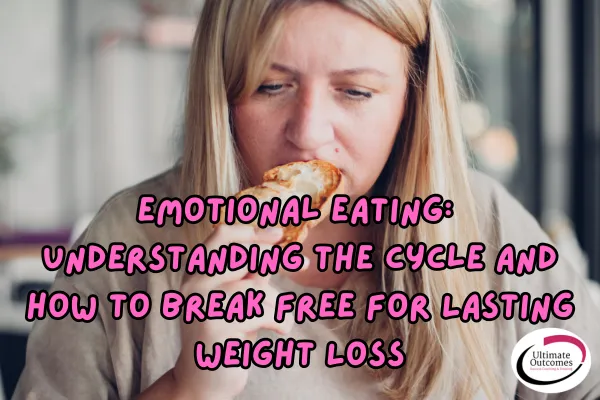
Emotional Eating: Understanding the Cycle and How to Break Free for Lasting Weight Loss
Have you ever found yourself reaching for chocolate after a stressful day, snacking mindlessly while feeling overwhelmed, or turning to food for comfort when you're feeling lonely, frustrated, or exhausted?
If so, you're not alone.
Emotional eating is one of the most common challenges people face when trying to lose weight and improve their health. Yet it is also one of the most misunderstood. Many people blame themselves for lacking willpower or discipline, when in reality emotional eating is often a learned coping mechanism that has little to do with hunger and everything to do with emotions.
The good news is that emotional eating can be understood, managed, and overcome. By learning to recognise the triggers behind emotional eating and developing healthier ways to respond to difficult emotions, you can create a more positive relationship with food and achieve sustainable, long-term results.
What Is Emotional Eating?
Emotional eating occurs when food is used to cope with feelings rather than to satisfy physical hunger.
Food becomes a source of comfort, distraction, reward, or relief from uncomfortable emotions such as:
Stress
Anxiety
Sadness
Loneliness
Frustration
Boredom
Overwhelm
Fatigue
Guilt
Low self-esteem
While eating may temporarily soothe these emotions, the relief is usually short-lived. The underlying issue remains unresolved, often leaving a person feeling guilty, disappointed, or frustrated afterwards.
This creates a cycle that can be difficult to break.
The Emotional Eating Cycle
Many people experience emotional eating in a predictable pattern:
Step 1: Trigger
An emotional event occurs.
Examples include:
A stressful day at work
Relationship conflict
Financial pressure
Feeling lonely
Feeling overwhelmed by responsibilities
Experiencing disappointment or failure
Step 2: Emotional Discomfort
The emotional trigger creates uncomfortable feelings that the brain wants to escape.
Step 3: Turning to Food
Food becomes a quick and easily accessible source of comfort.
Highly processed foods that are high in sugar, fat, and salt are particularly appealing because they activate the brain's reward system.
Step 4: Temporary Relief
For a short time, eating creates feelings of comfort, pleasure, or distraction.
Step 5: Guilt and Frustration
Once the eating episode is over, many people experience guilt, shame, regret, or frustration.
Step 6: Repeat
Those negative emotions can then become a trigger for more emotional eating.
Without intervention, this cycle can continue for months or even years.
Why Emotional Eating Happens
Understanding why emotional eating occurs can help remove the shame often associated with it.
Your brain is designed to seek comfort and avoid discomfort.
When you eat certain foods, particularly those high in sugar and fat, the brain releases feel-good chemicals such as dopamine. These chemicals create temporary feelings of pleasure and relief.
Over time, the brain learns:
"I feel bad → I eat → I feel better."
This becomes an automatic habit loop.
The more often this pattern occurs, the stronger the connection becomes.
Emotional Hunger vs Physical Hunger
One of the most powerful skills you can develop is learning the difference between emotional hunger and physical hunger.
Physical Hunger
Physical hunger:
Develops gradually
Can wait a little while
Is satisfied by a variety of foods
Stops when you're comfortably full
Leaves you feeling satisfied
Emotional Hunger
Emotional hunger:
Appears suddenly
Feels urgent
Often craves specific comfort foods
Persists even after fullness
Is often followed by guilt or regret
Before eating, try asking yourself:
"Am I physically hungry, or am I trying to soothe an emotion?"
This simple question can create awareness and interrupt automatic habits.
Common Emotional Eating Triggers
Stress
Stress is one of the biggest contributors to emotional eating.
When stress levels rise, the body produces cortisol, a hormone that can increase appetite and cravings for high-calorie foods.
Fatigue
Lack of sleep affects hunger hormones and decision-making abilities.
When you're tired, comfort foods often become more appealing because your brain is searching for quick energy.
Boredom
Food can become a source of entertainment or stimulation when life feels repetitive or unfulfilling.
Loneliness
Many people use food as a substitute for connection, comfort, and companionship.
Restrictive Dieting
Ironically, overly restrictive diets often increase emotional eating.
When foods are labelled as "bad" or forbidden, cravings can intensify, making emotional eating episodes more likely.
Practical Strategies to Overcome Emotional Eating
1. Increase Awareness
Awareness is the first step toward change.
Keep a simple journal and record:
What you ate
When you ate
How you felt before eating
How you felt afterwards
Patterns often emerge quickly.
2. Pause Before Eating
Before reaching for food, pause for a moment and ask:
What am I feeling right now?
What do I really need?
Will food solve this problem?
Even a 60-second pause can reduce impulsive eating.
3. Develop Alternative Coping Strategies
Food should not be your only tool for managing emotions.
Build a toolbox of healthier coping strategies such as:
Going for a walk
Calling a friend
Journaling
Listening to music
Deep breathing exercises
Practising mindfulness
Reading
Taking a bath
Engaging in a hobby
Different emotions may require different coping tools.
4. Manage Stress Effectively
Since stress is a major trigger, developing stress management skills is essential.
Consider:
Regular movement and exercise
Meditation
Mindfulness practices
Relaxation techniques
Time management strategies
Setting healthy boundaries
5. Prioritise Sleep
Sleep is one of the most overlooked factors in weight management.
Adults generally need 7-9 hours of quality sleep per night.
Improving sleep can significantly reduce cravings, emotional eating, and appetite dysregulation.
6. Practice Self-Compassion
One emotional eating episode does not define your progress.
Many people respond to setbacks with harsh self-criticism, which often fuels more emotional eating.
Instead, try asking:
"What can I learn from this experience?"
Approaching yourself with kindness creates lasting change far more effectively than shame ever will.
7. Address the Underlying Emotion
Food can only distract from emotions temporarily.
Long-term freedom comes from identifying and addressing the root cause.
Ask yourself:
Am I stressed?
Am I lonely?
Am I overwhelmed?
Am I avoiding something difficult?
The emotion itself often contains valuable information about what needs attention.
Emotional Eating and Weight Loss
Many people focus solely on meal plans, calories, and exercise while overlooking the emotional side of eating.
However, lasting weight loss is not just about what you eat—it is also about understanding why you eat.
When emotional eating is addressed:
Cravings often decrease
Food choices improve naturally
Consistency becomes easier
Confidence grows
Weight loss becomes more sustainable
Overall wellbeing improves
True transformation occurs when both the mind and body are supported.
Final Thoughts
Emotional eating is not a sign of weakness, failure, or lack of willpower.
It is often a learned response to difficult emotions and life challenges.
The key to overcoming emotional eating is not perfection—it is awareness, self-compassion, and learning healthier ways to meet your emotional needs.
Every time you pause, reflect, and choose a different response, you are strengthening new habits and creating a healthier relationship with food.
Remember, sustainable weight loss is about more than changing your eating habits. It's about understanding yourself, supporting your emotional wellbeing, and building a lifestyle that helps you thrive.
Ready for Support on Your Health and Weight Loss Journey?
If emotional eating is holding you back from achieving your health and weight loss goals, you don't have to navigate it alone.
Award-winning Health and Weight Loss Coach Robyn Ratcliff can help you uncover the root causes behind emotional eating, develop healthier habits, improve your mindset, and create sustainable lifestyle changes that last.
Book a Complimentary Discovery Session today to learn more about the Choose Trim Choose Healthy Hub Membership Program and discover how personalised coaching, education, accountability, and support can help you create lasting results for your health, wellbeing, and weight management journey.