Weight Management Blogs
Embark on a wellness journey with our weight management
blog, your go-to resource for sustainable health and weight loss. Explore
evidence-based tips, and motivational stories to support your path to a
healthier lifestyle. Whether you're seeking weight loss strategies, or mindful
eating advice, our blog is your companion in achieving and maintaining your
goals. Join our community and discover a balanced, empowering approach to
weight management that prioritises your well-being. Start your transformative
journey to a healthier, happier you today.
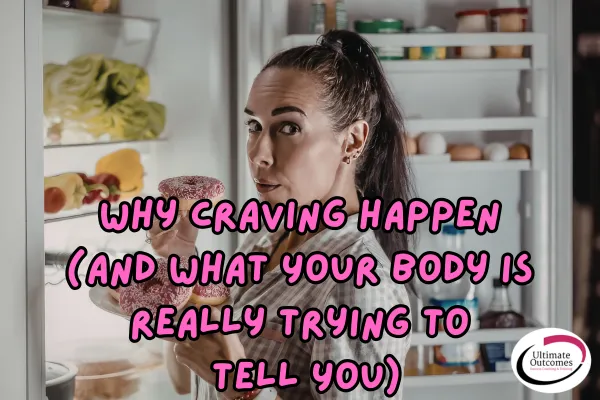
Why Cravings Happen (And What Your Body Is Really Trying to Tell You)
Introduction: Cravings Are Not a Lack of Willpower
If you’ve ever found yourself standing in front of the pantry at night or suddenly needing chocolate after a stressful day, you are not alone.
One of the biggest misconceptions in weight loss is that cravings are a sign of poor discipline. In reality, cravings are biological, emotional, and habitual signals—not moral failures.
Once you understand what your cravings are actually communicating, you can begin to respond to them rather than react to them.
1. The 4 Main Types of Cravings
1. Blood Sugar Cravings
When blood sugar drops, your brain quickly signals for fast energy—usually sugar or refined carbs.
Common signs:
Sudden hunger
Irritability (“hangry” feeling)
Energy crashes in the afternoon
What helps:
Balanced meals with protein, fibre, and healthy fats.
2. Emotional Cravings
These cravings are not about food—they’re about feelings.
Stress, boredom, anxiety, loneliness, and overwhelm can all trigger the desire to eat for comfort.
Ask yourself:
“What am I actually feeling right now?”
3. Habit-Based Cravings
Your brain loves patterns. If you always eat chocolate at 8pm, your brain will start craving it at 8pm—even if you’re not hungry.
This is learned behaviour, not hunger.
4. Hormonal and Sleep-Related Cravings
Poor sleep increases ghrelin (hunger hormone) and decreases leptin (fullness hormone), making cravings stronger and harder to resist.
2. The Craving Cycle (Why It Feels So Hard to Stop)
Cravings typically follow this pattern:
Trigger → Thought → Urge → Action → Temporary Relief → Guilt → Repeat cycle
The key isn’t willpower—it’s interrupting the cycle early, ideally at the trigger or thought stage.
3. Practical Strategies to Deal with Cravings
Pause for 90 Seconds
Most cravings peak and reduce within 90 seconds if you don’t act on them immediately.
Use the “HALT” Check-In
Ask:
Am I Hungry?
Am I Angry?
Am I Lonely?
Am I Tired?
This quickly identifies emotional vs physical hunger.
Upgrade, Don’t Restrict
Instead of “I can’t have that,” shift to:
“What would satisfy this craving in a healthier way?”
Example:
Chocolate → Greek yoghurt + berries + cocoa
Chips → roasted salted chickpeas
Stabilise Your Meals
Each meal should include:
Protein
Fibre
Healthy fats
This reduces biological cravings dramatically.
4. The Most Overlooked Cause: Emotional Regulation
Many people try to fix cravings with food rules when the real issue is emotional overload.
When food becomes your coping mechanism, weight loss becomes an emotional challenge—not just a nutritional one.
Learning how to regulate emotions without food is often the missing piece.
Conclusion: You Don’t Need More Willpower—You Need More Awareness
Cravings are not something to fight against. They are signals to understand.
When you learn to interpret them correctly, everything changes: your food choices, your confidence, and your relationship with your body.
If you’re feeling stuck in cycles of cravings, emotional eating, or frustration with weight loss, you don’t have to figure it out alone.
You can book a complimentary discovery session with award-winning health coach Robyn Ratcliff to explore personalised Weight Loss Coaching strategies that help you break the cycle and create lasting change.